
Sewer Line Replacement in DFW
When your sewer line has collapsed, separated, or deteriorated beyond repair, patching won't solve it. A full replacement is the only path to a permanent fix.
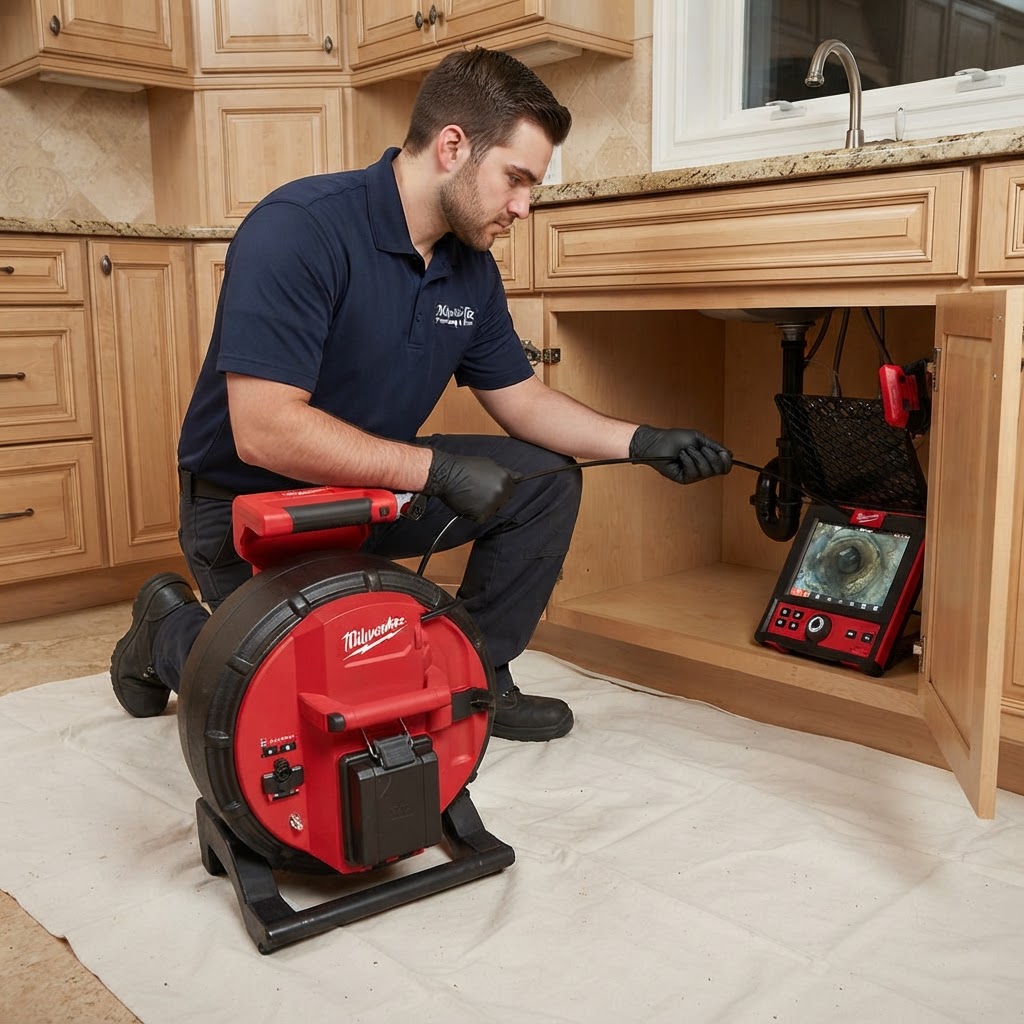
Recognizing a Failed Sewer Line
Slow drains throughout the house, recurring backups, foul odors in the yard, or soggy patches in the lawn are all indicators that your main sewer line may be failing. These symptoms rarely improve on their own — they get worse.
What This Usually Means
The main sewer line has likely collapsed, separated at a joint, or been compromised by root intrusion or soil shifting.
Repeated snaking or hydro jetting may clear the line temporarily, but the structural failure remains.
Left unaddressed, raw sewage can back up into your home or leak into the foundation soil, creating secondary damage.
Homes built before 1980 with cast iron or clay pipes are at highest risk.
Why Snaking & Hydro Jetting Aren't Enough
Snaking pushes through the blockage but doesn't repair the pipe damage causing it.
Hydro jetting can clean interior buildup, but won't fix a pipe that's cracked, collapsed, or separated.
Temporary clearing gives false confidence — the same backup returns within weeks or months.
Sewer Line Replacement Options
Traditional Excavation
Full trench access to remove and replace the failed sewer line with new PVC or ABS pipe. Ideal when the line is shallow and accessible.
Tunneling Under-Slab
For lines that run beneath the foundation, we tunnel beneath the slab to access and replace the pipe without demolishing your floors.
Spot Repair
When damage is isolated to a specific section, we can replace just the affected portion — saving time and cost when conditions allow.
Full System Redesign
In severe cases, we redesign the drainage path entirely to ensure long-term reliability and proper flow.
Financing Available
Major underground repairs often run $10,000–$40,000+. We offer monthly payment options with fast approval. Call to discuss your options.
Book Online
Common Questions About Slab Leaks & Sewer Lines
Every answer below points to the same first step: a $97 camera-verified diagnostic.